I'm sure every one of you has seen a surfer ride down a wave in a movie. Honestly, it doesn't even look that hard.
So what is surfing really like?
First of all, it's a sport that gives you incredible freedom. Trust me, it's a great way to really clear your head. And your sinuses, too.
Learning to surf on your own isn't easy. Surfing isn't like other, traditional sports. Progress tends to be slower – but it's fun.
Even if you've been surfing for 10 years, every surf session shows you what you could still improve. Surfing is probably the only extreme sport you can still do in your sixties, so start investing in the learning process now!
Unlike other sports, surfing takes place in an unpredictable environment and depends heavily on climate and geography. Above all, we have to share our “playground” with other surfers. You can learn to surf just as easily as you'd learn to play football or tennis.
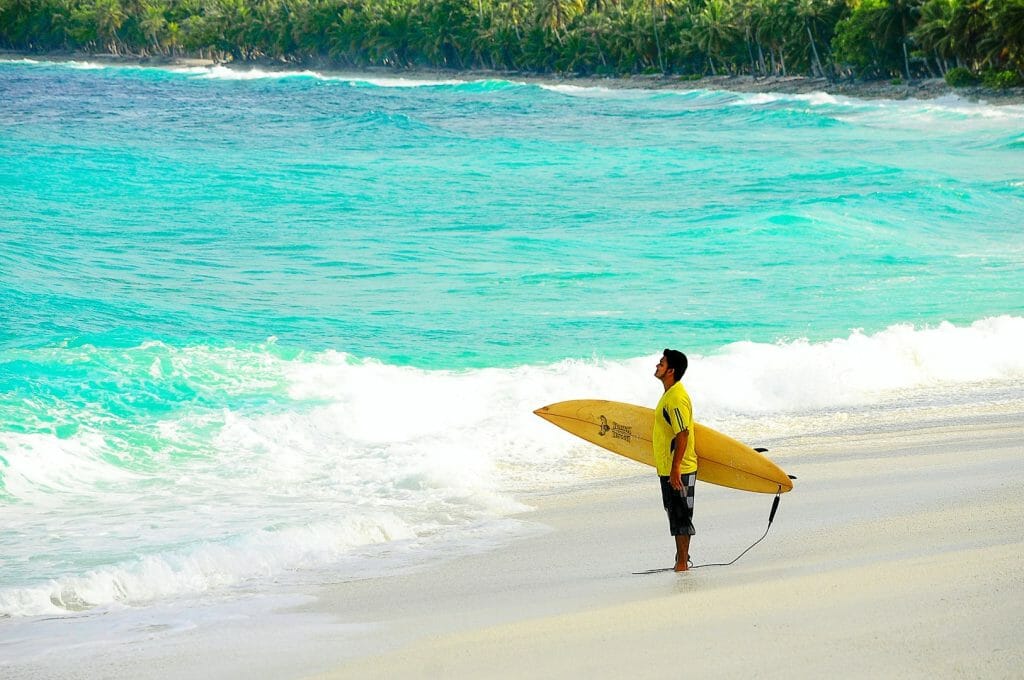
We strongly recommend taking a few surf lessons before heading out on your own – or at least going with someone experienced who can give you the right advice to keep you and the people around you safe.
If so, make sure your friend stays next to you during the lesson and doesn't leave you alone while they go off surfing at the “peak”.
Or you can put yourself in the hands of the experts – like our Oceanholic surf camp, and you can be sure you're supervised at all times. Our amazing instructors will teach you to surf from scratch and give you their full attention. Plus, besides surfing we've got a packed programme ready for you, so you'll have brand-new adventures and make new friends.
You can read more about our project on our website https://oceanholic.sk/ or check out more photos and videos on our Instagram https://www.instagram.com/beoceanholic/
There's always a risk of ending up in the water and losing your board. As a general rule, don't go in if you don't think you could swim back to shore without your board.
Can you tell what kind of surfers are in the water? Are they mostly experienced surfers? There might be a reason for that… Are there beginners? How are they handling the waves? Where will your place be in the water? Are there any rip currents?
Any experienced surfer who respects the ocean will take a good 10 minutes to watch the spot before paddling out, especially at a new surf spot. This lets you see whether the spot is right for you.
Of course, we'll teach you all of this at our surf camp. We'll also show you how waves form and what rip currents are.
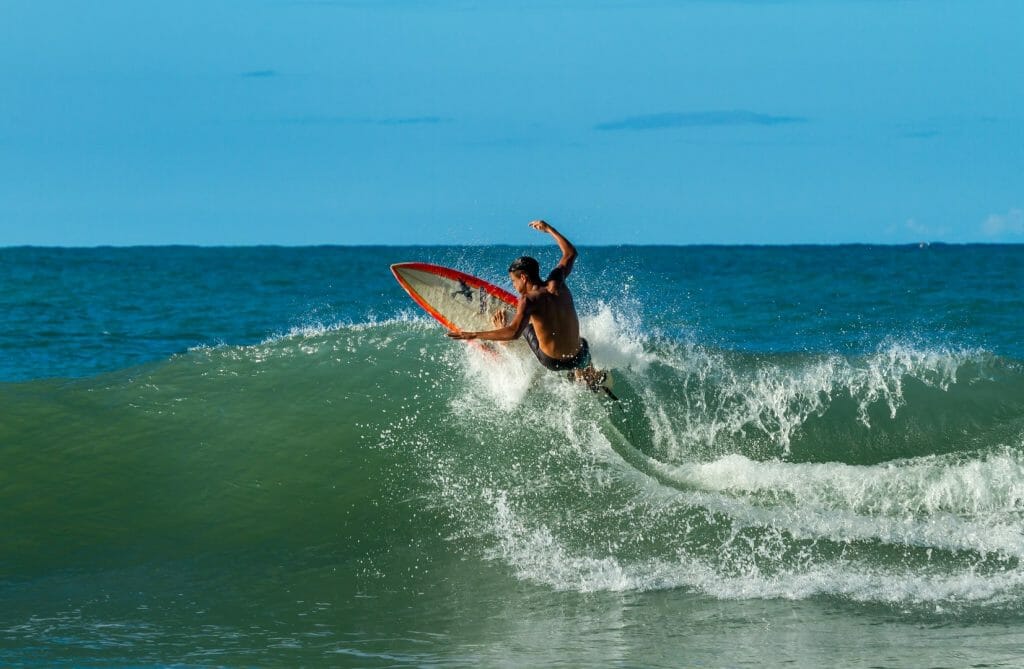
Surfing is a demanding sport that can help you build muscle, lose weight and burn calories really fast.
It's a sport that requires you to be able to swim in the open sea when the waves can be big, to get back onto your board while the current is pushing you, and to stay balanced on the board in unpredictable conditions.
You need to be able to speed up your paddling to catch a wave, to get out of the impact zone or to paddle back to the “peak”, i.e. the top of the wave. This means your progress also has to go hand in hand with improving your physical fitness.
Since it's impossible to get fit overnight: start training as soon as possible. If you leave everything until the last minute, you really can't expect miracles.
Of course, at our surf camp for beginners we won't take you to dangerous spots or mega-big waves.
At Oceanholic, we say that the ocean is an amazing dimension where you feel the power of nature – but you'll see for yourself that if you respect it, you can find your own spiritual place in it.
You'll see – despite everything, you'll fall in love with the ocean.
Biceps and triceps
Biceps and triceps are the two main muscles you need to train if you want to become a good surfer. They mainly help your body push up properly and stand up on the board.
Your biceps and triceps also help you paddle faster as soon as a wave comes.
Abs
Your abs are very important. They let you lie on the board more comfortably and make all the movements you need for paddling and standing on the board easier.
Shoulders, back and chest
These three muscle groups are also essential for surfing. They help you paddle and push yourself up when you're about to ride a wave.
Legs
Your legs are extremely important if you want to keep a good stance on the board. Once you've pushed yourself up onto the board with your biceps and triceps, you need to be able to keep your balance with your legs while you're in a half-upright position.
Cardio
Swimming is key to keeping your body in the toned shape it needs when you're facing rough seas, currents and waves. Swimming against the waves and then paddling to catch the next ones is really exhausting.
Obviously, if you want to be a surfer, you also need to be a good swimmer – so hit your local pool regularly.
Yoga
Surfing and yoga go hand in hand. Yoga can play a key role in your training, giving you good balance and focus. Meditation is also very important. Mental balance is the key to everything.
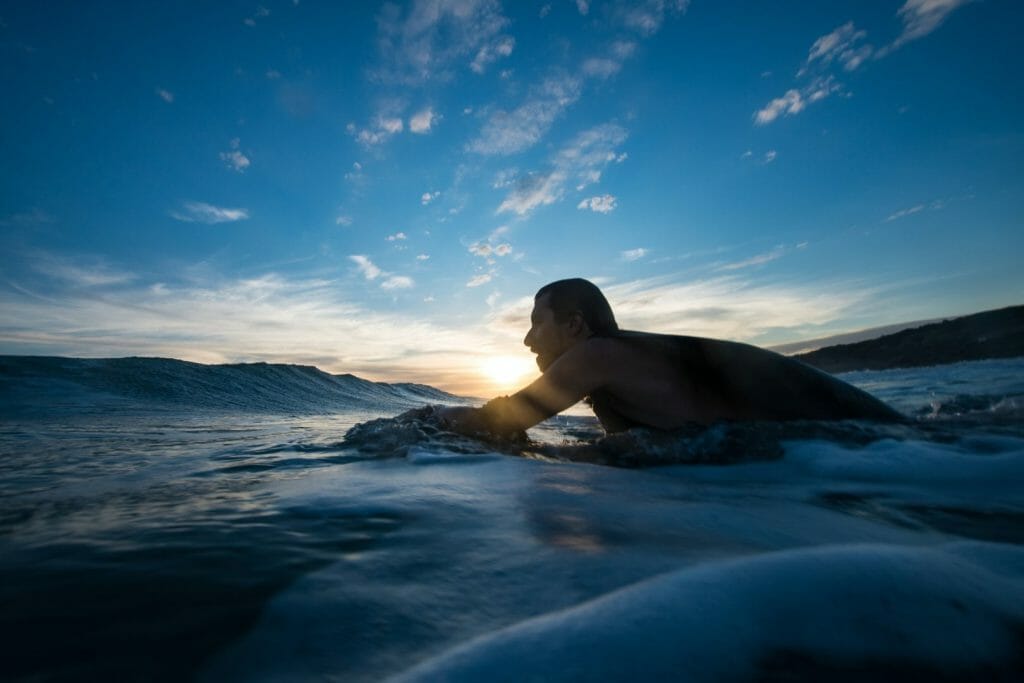
To paddle, lie down in the middle of the surfboard. It takes some practice. At first you might position yourself wrong and end up in the water, because you put too much weight on the nose or tail of the surfboard (which makes it dip below the surface).
Don't worry, these are common mistakes – at first you'll just need to experiment a bit to find the right way to distribute your weight.
If you position your body too close to the nose of the surfboard, the nose dips under the water and you fall off. Here are a few good surf tips to keep in mind:
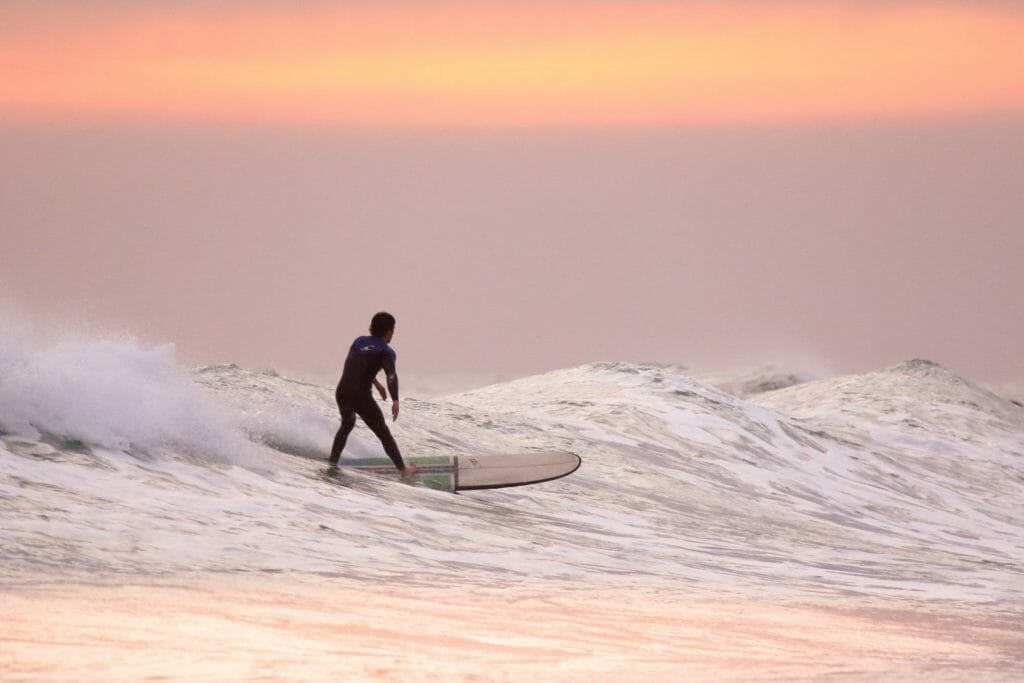
Learning to stand up on a surfboard is what every beginner dreams of. First, you need to find out whether you're a Regular or Goofy surfer.
How do you find out? You can tell by your instincts. For example, try this:
The pop-up is the move from lying down and paddling to standing up. If it's your first time doing a pop-up, practise on the beach.
A special tip from us: fix your eyes on a point on the horizon, like the top of a tall tree, to help you keep your balance.
Now all you need is practice. Once you've practised a few times on the beach, you'll be ready to try it in the water.
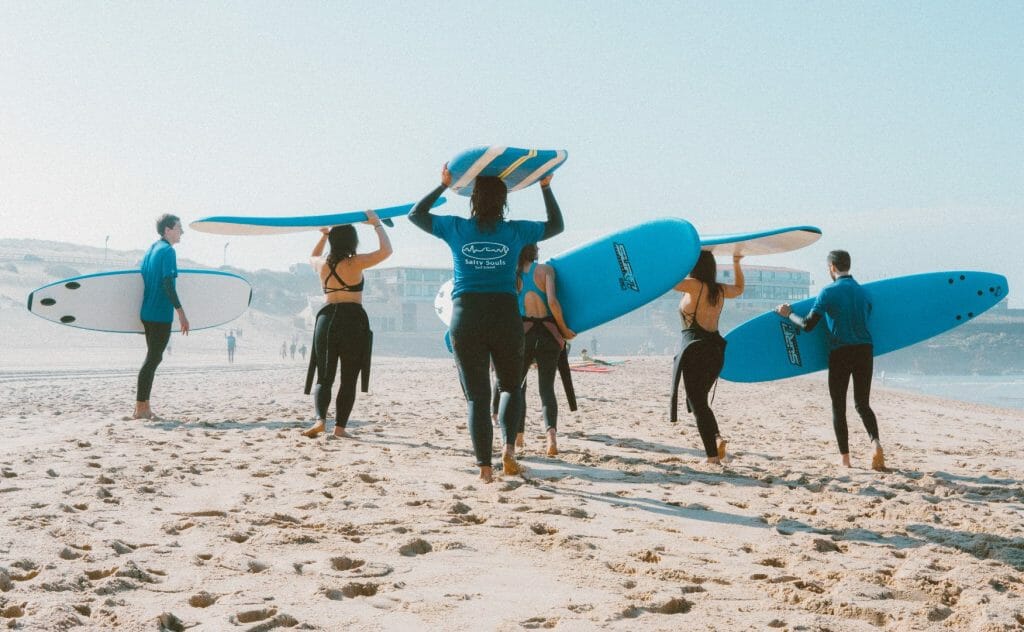
As a beginner surfer, stick to smaller waves. Stay closer to the shore – bigger waves can be dangerous and require a certain level of experience.
Remember that surfing should be fun, but also safe. It's not worth risking your life or getting into trouble. Learning new skills takes time and practice – but with the right training, you'll soon be riding bigger waves too.
#1- You stand up and realise the wave “didn't take you with it”,,
#2. You try to stand up and suddenly realise you're standing too far forward on the nose of the board
#3. You're surfing
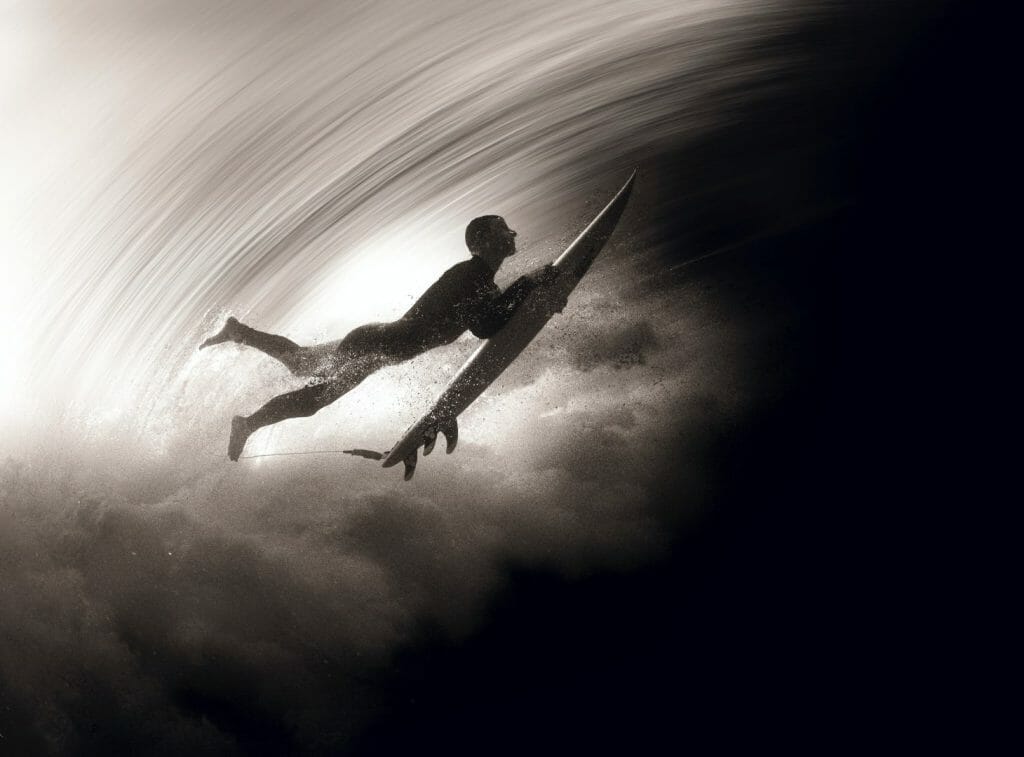
If you see a big wave coming at you, paddle towards it faster, breathe out all the air in your lungs and take a big breath. Your board should meet the wave at exactly a right angle.
Hold the board close to your body, grab it by the rails, take a deep breath and roll the board over underwater as if you were doing a sideways somersault. Stay there until the wave has passed over the board. Once it's gone, come back up, climb back onto your board and get ready to paddle into the next wave.
When else is the TURTLE ROLL useful? Besides protecting you from a bigger wave, it also helps when you see a surfer coming towards you and you're afraid they'll hit you. Instead of ditching your board, grab it and do a turtle roll: the board will protect you while you're underwater.
... is an essential manoeuvre every shortboard surfer (i.e. on smaller boards) needs to know – it's used by more advanced surfers on bigger waves. Basically, they push the board down to dive under the wave so they can get out through the set more easily.
Going under the wave stops its force from pushing surfers back towards the shore. The bigger and stronger the waves, the more important this skill becomes. If you plan to become a good surfer, you need to know how to duck dive.
We'll go into how to do a duck dive in more detail in another article next time.
It's in your own interest to keep your board as close to you as possible – otherwise it could injure you or other surfers.
When a big wave comes, it can be tempting to ditch your board and hide under the water, but this can snap your leash (the “cord” that connects you to your board), make you lose your board or, in the worst case, send the board into the person paddling a few metres behind you.
In some really rare cases, when a wave is about to break exactly where you are and there's absolutely nobody around you, you may have to let go of your board. Apart from that specific situation, you should never ditch your board.
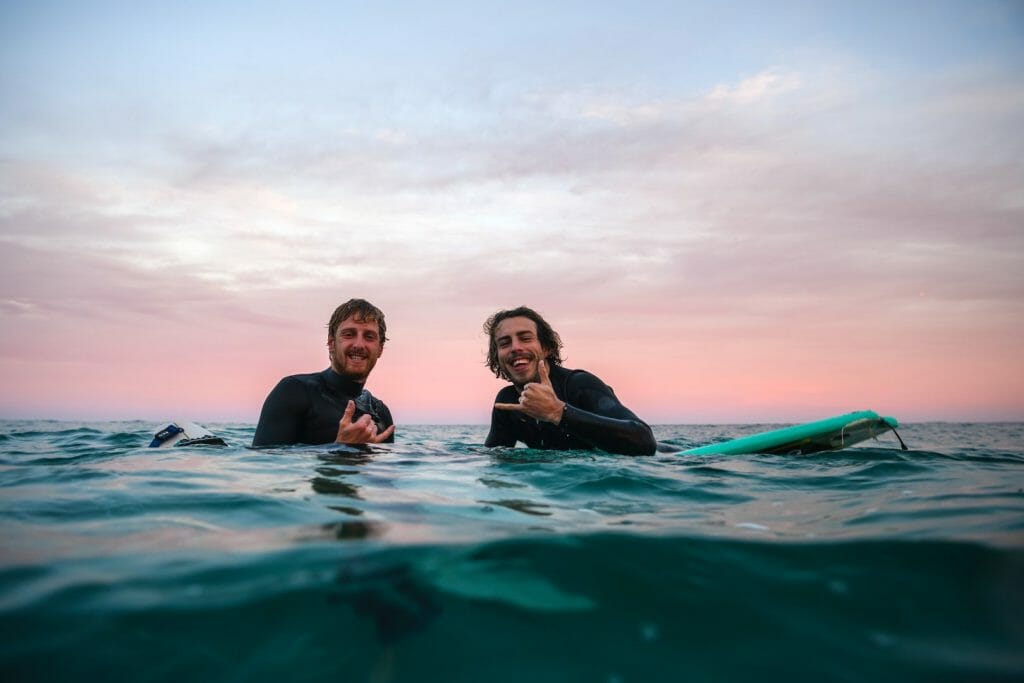
If you're new to surfing, you may not have heard of surf etiquette. What is it?
It's a set of rules you need to follow when surfing. Always keep in mind that surfing is a dangerous sport practised on the open sea – often in tough conditions and dangerous tides. To surf safely, you need to know some of the most basic rules. The main goal of surf etiquette is to act responsibly and keep everyone safe, yourself included.
Don't “drop in” on a wave someone else is already riding: if you try to catch a wave while someone else is riding towards you, the pointy nose of their surfboard could seriously injure you (and the person riding the wave). So if someone is on the inside or at the peak of the wave, let them ride it. Catch the next one!
Don't steal a wave from another surfer who has priority. And don't paddle up to them to take their position either. Definitely don't do it if you don't have much surfing experience yet. Surfers often get upset when someone steals their wave – it's disrespectful.
When you're in the water, watch out for anyone in front of you. Also check that there are no other surfers behind you.
When you walk into the water, hold your board at your side. Holding it in front of you is risky. If a wave comes, the board can break your nose or hit you in the head. At your side is the safest.
When you fall, remember to protect your head with your arms and stay underwater for a few seconds.
You should never surf right after eating: wait at least half an hour.
If you see surfers in trouble, help them.
Respect the environment, respect the beach and respect the locals.
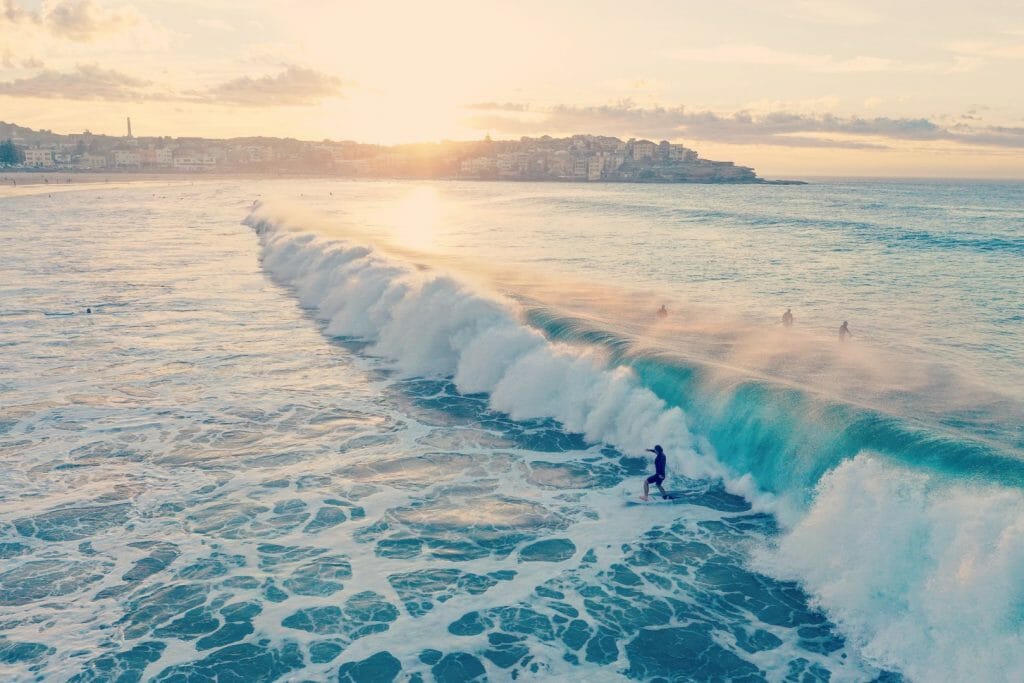
Becoming a surfer means embracing a particular lifestyle, one that also combines healthy habits and exercise.
The main ingredients you need to be a successful surfer are
Surfing is a high-endurance sport that teaches you to believe in yourself, challenge yourself and push yourself to the limit. It can really teach you valuable lessons you can apply to other areas of life.
Above all, don't be too hard on yourself, if you feel you need some time to learn surfing techniques: have fun while you learn and see this surf experience as a chance to meet new surfers.
So join us at our surf camp! We still have the last available spots this season. Sign up via this link https://oceanholic.sk/volne-miesta/
I reply fast🤗
I will be back soon

